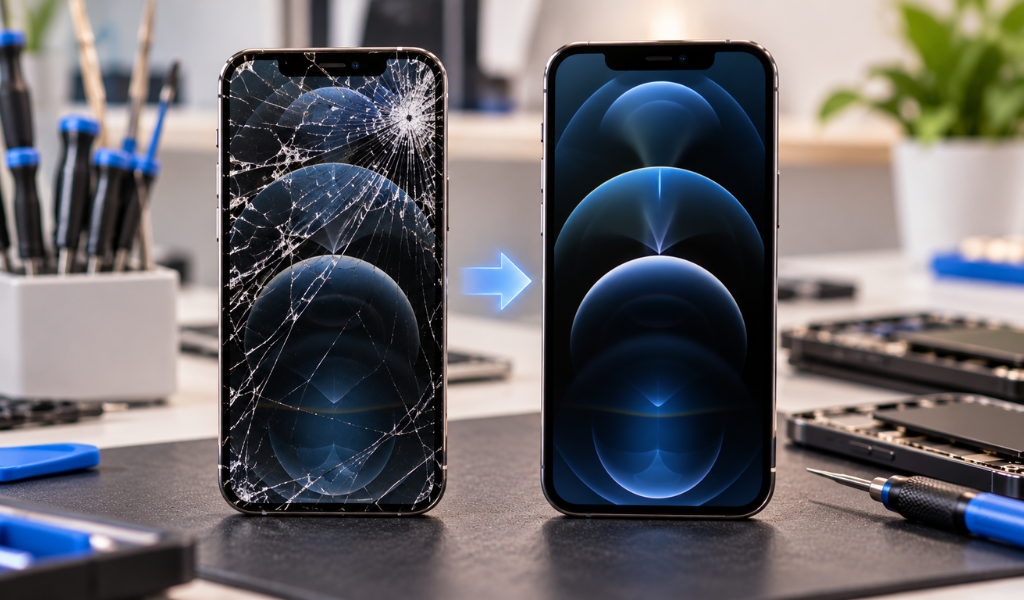
Choosing the right phone screen glass protector is one of the simplest ways to protect a new smartphone from scratches, accidental drops, and everyday wear. With several types available, finding the best option depends on your phone model, how you use your device, and the level of protection you need.
A good quality screen protector can help keep your display looking as good as new and help reduce the risk of damage from minor impacts. But not all protectors provide the same benefits. Understanding the differences between tempered glass, privacy glass, and others will help you make a more informed decision.
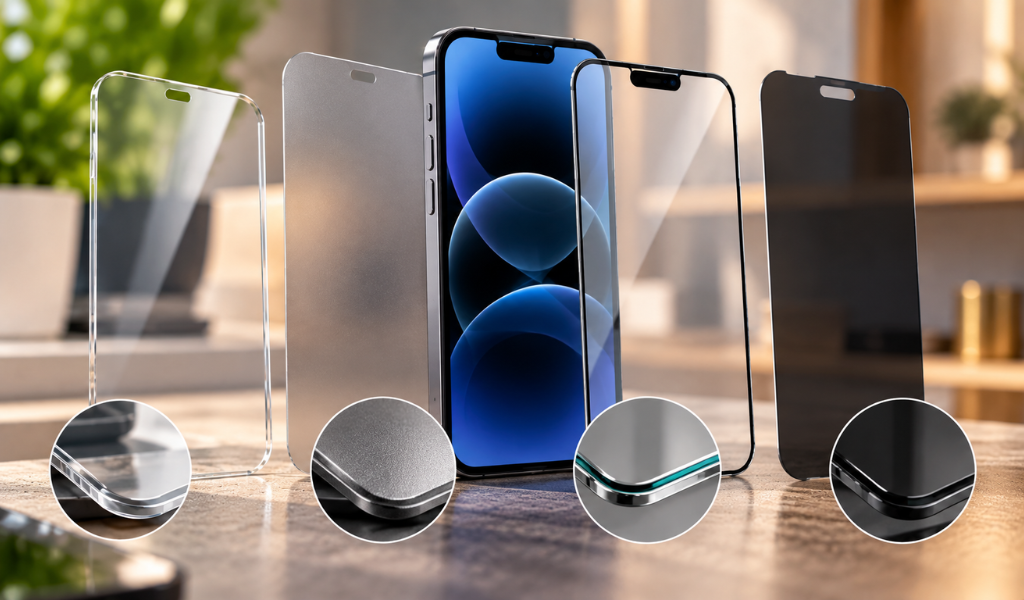
Tempered glass: A popular choice for everyday protection against scratches and minor impacts.
Privacy glass: Helps limit side-angle screen visibility in public places.
Film protectors: Offer a thin, lightweight layer of scratch protection.
Compatibility matters: Choose a protector designed for your exact smartphone model.
Installation is important: Proper alignment and bubble-free application improve usability and coverage.
If you’re looking for a practical solution for most smartphone users, a tempered glass screen protector will provide scratch resistance, a smooth touch surface, and protection from everyday bumps.
Tempered glass is specially treated glass to make it stronger than regular glass. This doesn’t guarantee that your phone screen will survive every drop, but it does add a useful layer of protection that can absorb some impact and help prevent scratches.
The best option ultimately depends on your priorities.
1. Tempered Glass Screen Protector
If you’re looking for dependable everyday protection for your smartphone display without a drastic change in visual experience, tempered glass is a fantastic choice.
Benefits:
Helps protect against scratches from keys, coins, and other objects.
Maintains a smooth surface for scrolling and gaming.
Usually offers good display clarity.
Is available in different thicknesses and edge designs.
Best for: Everyday smartphone users, commuters, students, and people who want a balance of protection and usability.
2. Privacy Glass Protector
Privacy glass is designed to make the screen difficult to see from side angles. This could be useful when viewing messages, emails, or financial information in crowded public places.
However, privacy filters can reduce brightness or clarity slightly for viewing. There are some situations where you might want to make your screen brighter.
Best for: Professionals, frequent travelers, and users who regularly handle private information in public.
3. Film Screen Protector
Film protectors are made of thin, plastic-type materials. They are lightweight and flexible and are great for users who want basic scratch protection rather than impact resistance.
They can be effective on some curved displays where rigid glass protectors may not fit as easily.
Best for: People looking for a thin layer of protection and are primarily concerned about surface scratches.
4. Matte Glass Protector
Matte protectors are a bit textured, which cuts down on reflections and also makes fingerprints less obvious. Some users also like the feel of the surface when gaming or using a stylus.
The downside is that matte finishes can slightly reduce display sharpness and color clarity.
Best for: Gamers, outdoor users, and people who prefer reduced glare.
Before purchasing a protector, consider these practical factors.
Not every protector fits every smartphone, even if two devices have similar screen sizes. Depending on the exact phone model, display size, camera cutouts, speaker location, and edge design, a phone screen protector may or may not fit.
Check your phone model number before you buy. A properly fitted protector shouldn’t lift at the edges, interfere with the sensors, or block the front camera.

Your lifestyle can help determine the right protection level.
If you often drop your phone, choose quality tempered glass with suitable coverage.
If you commute frequently, consider a protector that offers scratch protection and, if needed, privacy features.
If you spend hours gaming, look for a smooth, responsive surface.
If you work outdoors, a matte protector may help reduce reflections.
A screen protector shouldn’t make using the phone frustrating. Pick one that keeps the touch responsiveness, clear visuals, and works with your phone’s fingerprint sensor if it has one.
Also, make sure it fits with your existing phone case. Sometimes the edges of the ill-fitting protectors are pushed away and peel.
Even a good protector may perform poorly if it is installed incorrectly. Follow these tips to improve its fit and usability.
1. Clean the screen thoroughly: Remove dust, fingerprints, and oil before installation.
2. Align it carefully: Match the protector with the display edges, camera, and sensors.
3. Remove trapped air: Follow the manufacturer's instructions to smooth out bubbles.
4. Use a compatible case: Check that the case does not push against the protector's edges.
5. Replace damaged glass: If the protector develops cracks or sharp edges, replace it rather than continuing to use it.
Remember, a screen protector is not a replacement for careful handling or a protective phone case. Very strong impacts can still damage the display underneath.
If you need help picking a good option for your device, Twin Wireless can be a good place to look for smartphone accessories and find a screen protector that will fit your phone.
The best phone screen glass protector depends on your device, your daily habits, and the features you want. Tempered glass is a good choice for most people as it provides a balance of scratch resistance, clear viewing, and protection against everyday impacts. Privacy glass provides more screen privacy, while film and matte protectors are more for specific needs.
Make sure your phone model and case are compatible, and consider how you use your device before buying. Choosing the right protector now can help keep your smartphone display in better shape over the long haul.
Tempered glass is a strong all-around choice for everyday use because it offers scratch resistance, good clarity, and protection against minor impacts.
Tempered glass generally offers better protection against everyday impacts, while film protectors are thinner and primarily help prevent surface scratches. The better choice depends on your needs.
No. A screen protector may help reduce damage from certain impacts and scratches, but it cannot guarantee that the original display will not crack during a drop.
Confirm your smartphone's exact model and choose a protector specifically designed for it. Check the camera cutouts, display edges, fingerprint sensor support, and phone case compatibility.
Looking for the best phone screen protector in Indianapolis? Discover affordable tempered glass and privacy screen protectors at Twin Wireless for iPhone and more.
View more
Learn how a phone screen glass protector helps prevent cracks, absorbs impact, and keeps your device safe with expert protection tips.
View more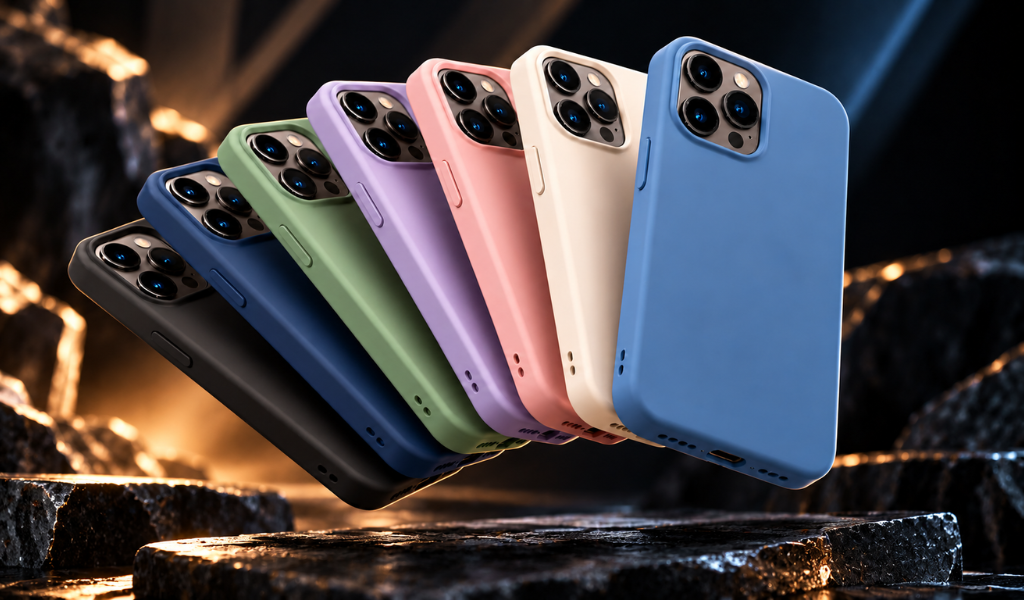
Discover how to choose an affordable silicone mobile case online with practical tips on fit, grip, shock absorption and everyday phone protection.
View more

 Login/Register